Hedge Trimming in Wembley

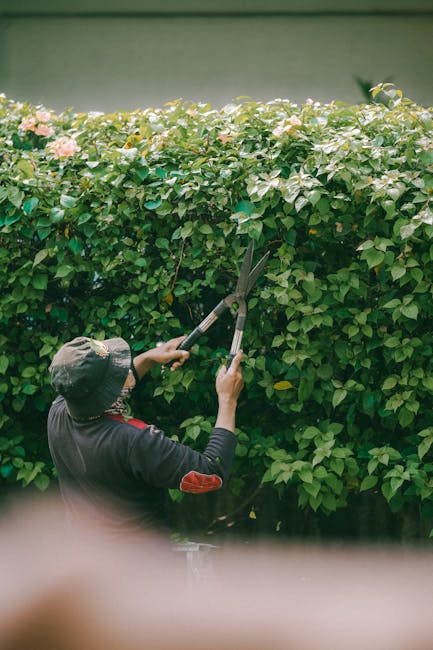
Hedge trimming in Wembley needs a tidy, controlled approach that keeps boundaries neat, encourages balanced growth and suits the shape of the garden. Our hedge trimming service covers routine cutting, careful reduction and finishing work for domestic and commercial outdoor spaces, with attention to clean lines and sensible proportions. We work on hedges that need light maintenance as well as those that have grown unevenly and now need a more deliberate cut back.
Healthy hedge care is not just about cutting back what has grown too far. It is also about choosing the right profile, avoiding damage to fresh shoots and leaving enough growth for the hedge to recover well after trimming. We focus on a neat finish while keeping the work practical for the plant type, the season and the look you want from the boundary or screen.
If you are planning hedge work, it helps to begin with a clear idea of the size, access and finish you want. Ask for a quotation when you are ready and mention any awkward sections, height changes or preferred shaping, so the work can be scoped properly from the start.
Hedge cutting for shape, control and neat boundaries
Regular hedge cutting keeps a garden looking cared for and stops small issues from becoming bigger ones. When a hedge is trimmed consistently, it is usually easier to hold a tidy line, maintain privacy and prevent the top from spreading beyond the intended width. For many properties, the work is as much about presentation as it is about plant health, especially where the hedge frames a path, front boundary or shared edge.
Different hedges call for different approaches. Some respond best to modest trimming that preserves a dense finish, while others may need a more decisive reshaping to restore balance after a period of unchecked growth. Our service is designed to handle that variety without treating every hedge as though it needs the same cut. That matters because the right result depends on both appearance and the plant's ability to keep thriving.
What a careful trim can achieve
A well-executed trim can improve light along a border, help a hedge keep a straighter outline and reduce the sense of encroachment onto paths or driveways. It can also make future maintenance simpler by keeping growth within easier reach. Where hedges are part of a formal garden layout, a precise cut can reinforce the structure of the space and keep the overall look disciplined rather than overgrown.
Shaping and reduction for fuller or overgrown hedges

Not every hedge only needs a light tidy-up. Some have become too high, too wide or uneven across one side, and they need shaping that brings the structure back under control. Reduction work can be useful when a hedge is still worth keeping but needs a measured change in size. The aim is to improve the line without stripping the plant back so severely that it looks bare or lopsided.
When shaping is needed, the finish should suit the hedge itself rather than a rigid template. A formal boundary hedge may need crisp, straight edges, while a softer garden screen may look better with a slightly more relaxed outline. We can also help with hedges that have become top-heavy, where the upper growth is wider than the lower section and the whole plant needs rebalancing for a cleaner profile.
For larger or uneven hedges, timing and method are important. A sensible reduction is usually better than an aggressive one, particularly where the hedge has not been maintained regularly. If you are comparing options, it can help to know whether the job calls for a standard trim, a staged reduction or a one-off reset, because each approach affects the finish and the work involved.
Routine hedge maintenance throughout the growing season
Regular hedge maintenance supports a consistent appearance across the year and reduces the need for heavier cutting later on. This kind of work can suit homeowners who want boundaries kept in order, landlords preparing a property for viewing and business premises that need outdoor areas to look presentable. The key is consistency: modest, timely trimming usually keeps more control than allowing the hedge to surge and then dealing with a large correction.
Maintenance visits can be planned around the hedge's condition rather than a fixed formula. Some hedges grow quickly and need attention more often, while others hold their shape for longer. A well-planned schedule also makes it easier to notice issues such as uneven density, weak sections or growth that is starting to interfere with gates, steps or nearby planting. The work remains practical, but it also supports the broader look of the outdoor space.
Where hedges are close to walls, fences or narrow access points, trimming may need a steadier hand and more deliberate clearing of cuttings. That can affect the amount of time spent on the job and the sequence of work. For this reason, a clear description of the hedge's condition is helpful when arranging a quote, especially if the hedge includes mixed species or has previously been cut back hard.
Hedging around front gardens, paths and boundaries

Front-garden hedges and boundary hedges often need a finish that is both tidy and unobtrusive. They should define the edge without overwhelming the space or making access awkward. Careful trimming can help maintain sightlines, keep walkways open and preserve the polished appearance that many properties rely on at the front of the house or along shared edges. The result should look deliberate, not clipped for the sake of it.
In tighter spaces, the main challenge is often access and control. Working near paths, parked vehicles or small planting beds means the cut must be managed cleanly so that the hedge remains neat without damage to nearby surfaces. That is why the practical details matter as much as the final shape. A hedge can appear simple from the outside, yet still require thoughtful handling to avoid tearing stems or leaving awkward stubs behind.
Good hedge work combines shape with restraint. A straight line is useful, but so is understanding how much to remove in one session. That balance helps preserve the hedge's density and avoids a patchy finish that may take a long time to recover. When the job is planned well, the boundary looks sharper and the hedge is easier to maintain next time.
Cutting back tall hedges and managing difficult access
Some hedges outgrow straightforward ladder-free trimming and need more careful planning before the cut begins. Tall growth, awkward slopes, narrow side passages and uneven ground can all make the work more involved. In these cases, the aim is still the same: produce a controlled result, preserve the hedge where possible and leave the space tidy once the cutting is complete. The method may change, but the standard of finish should remain consistent.
Where a hedge is tall or spread beyond its original line, a staged approach can be more sensible than trying to force it back in one pass. That allows the shape to be corrected without creating a harsh or patchy profile. It also helps when there are neighbouring fences, sheds or planting that need to be respected during the work. Careful hedge trimming is therefore as much about planning the line of cut as it is about the cut itself.
Useful details for a quotation often include the hedge height, approximate length, access points and whether the waste needs to be removed from a rear garden or side return. Photographs can be helpful when the hedge is unusually shaped or when access is tight, because they make it easier to understand what the job involves before any visit is arranged.
What affects the cost of hedge trimming

Hedge trimming prices are usually shaped by the size of the hedge, the level of reduction needed and the amount of clearing involved. A short, regularly maintained hedge is generally simpler than a long, overgrown one with multiple levels or difficult access. Height, width and waste volume all influence the time and equipment required, so a quote should reflect the actual condition of the hedge rather than a rough guess.
Some jobs also need extra care because of shape, surface protection or the presence of nearby obstacles. A hedge beside a delicate border may take more attention than one standing clear of planting beds. Likewise, hedges that have not been cut for some time may need a more measured approach to avoid leaving the result too thin. A sensible quotation takes those details into account instead of relying only on the length of the boundary.
For a smoother quotation process, it is useful to share the main facts in one go:
- the hedge length and approximate height
- how often it has been trimmed recently
- whether the shape needs light tidying or a reduction
- any access limits, parking issues or narrow passages
- whether cuttings should be taken away after the work
About Wembley
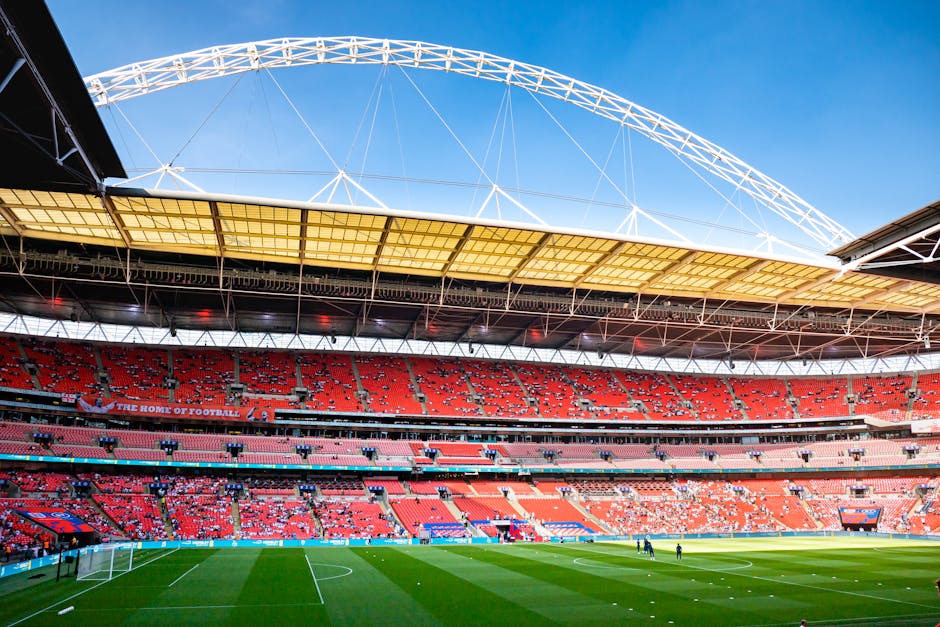
Wembley is a district in the London Borough of Brent in northwest London, best known for its strong association with sport, entertainment and transport links. The area includes the modern Wembley Park district, where the stadium and arena dominate the skyline, but its character is broader than those headline landmarks alone. Long before the present entertainment quarter took shape, the area developed as a suburban part of Middlesex, and traces of that older pattern still appear in its streets, housing and local centres. The name has become closely tied to large-scale events, yet the wider district also includes everyday residential neighbourhoods, shopping streets and community spaces that give it a lived-in urban character. The present stadium opened in 2007 on the site of the original 1923 stadium, which had become famous for major national sporting occasions and concerts. That history has helped anchor Wembley in the public imagination, while nearby streets and developments have continued to change through regeneration and new building. Transport is another major feature of the district: Wembley Park, Wembley Stadium and Wembley Central stations all connect the area to different parts of London, reinforcing its role as a busy and accessible part of the capital. Local architecture is varied, ranging from terraces and interwar housing to newer apartment buildings, retail development and civic spaces. Parks and open areas, together with the busy retail and leisure offer around the stadium district, give Wembley a blend of formal urban energy and ordinary neighbourhood life. The result is a place shaped by movement, events and change, but also by the more routine patterns of home, work and local community that sit alongside them.
Garden clearance before hedge work
Sometimes hedge trimming is only one part of the outdoor work a property needs. Overgrown borders, fallen cuttings, leaf build-up and awkward garden waste can get in the way of a clean finish, so garden clearance may be the sensible starting point. Clearing the area first can make the hedge easier to reach and can also improve the final appearance once the cutting is complete. It is especially useful where the hedge line is partly hidden by debris or where the space has become difficult to work in safely.
Garden clearance and hedge trimming work well together when the aim is to restore order rather than simply make a quick cosmetic pass. The job may involve removing loose material, opening up access and dealing with waste that has collected below the hedge. That practical preparation can make the trimming itself more accurate and reduce the chance of cuttings being left behind in borders or along paths. The result is a cleaner boundary and a garden that feels more manageable.
If you are comparing scope, think about whether the task is limited to the hedge or whether the surrounding area also needs attention. Send the full picture with your enquiry if there is bramble, dense undergrowth or old waste mixed in with the hedge line, because those details can change the amount of work involved and the way the job is planned.
Trimming, tidying and disposal after the cut
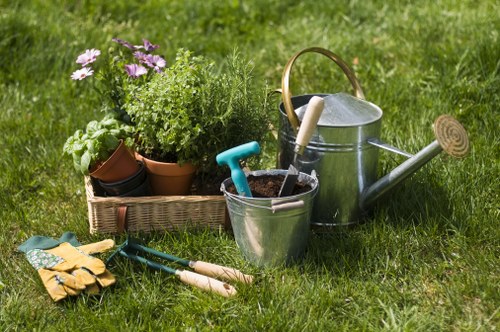
Once the hedge has been cut to shape, there is still the important task of clearing the offcuts and leaving the site tidy. Good hedge work should not stop at the last snip. Cuttings need to be collected, surfaces brushed down where practical and the area checked for small debris that can make paths untidy or interfere with mowing and other garden care. A clean finish is part of the service, not an optional extra.
In many cases, the simplest arrangement is for the hedge to be trimmed and the waste removed as part of the same visit. That keeps the job self-contained and saves the customer from having to deal with bulky cuttings afterwards. Where there is a lot of material, disposal can become a noticeable part of the work, especially with dense hedges or long boundaries. It is therefore worth mentioning whether removal is required when asking for a price.
Ready for a quotation? If you want hedge trimming in Wembley, tell us what needs cutting, what the hedge looks like now and whether you would like the waste cleared too. You can also explore the pricing and quotes page for more guidance before making contact, or use the contact us page to request a quote today.
Other garden services that can support the hedge line
Some gardens benefit from several kinds of maintenance at once, especially where the hedge is part of a wider boundary or planted area. A neat hedge often looks best alongside mown lawns, clear edges and manageable planting beds, so it can make sense to think about the surrounding space as well. Where appropriate, services such as lawn mowing or garden maintenance can help keep the whole setting in order rather than leaving one part neat and another part neglected.
For properties with more extensive outdoor work, broader improvements may also be relevant. A hedge can sit within a fuller garden plan that includes path edges, planting structure or layout changes, and in some cases the wider works offered through landscape gardening or landscaping may be a better fit. Where trees are also causing obstruction or shading issues, the tree lopping and removal page may be worth reviewing alongside hedge trimming so that the boundary planting and taller growth are considered together.
When you are ready to move ahead, keep the request straightforward: describe the hedge, note any access issues and say whether you want a light trim, a more noticeable reduction or a full tidy with waste removed. The more clearly the job is described, the easier it is to provide a sensible quotation that matches the work required.