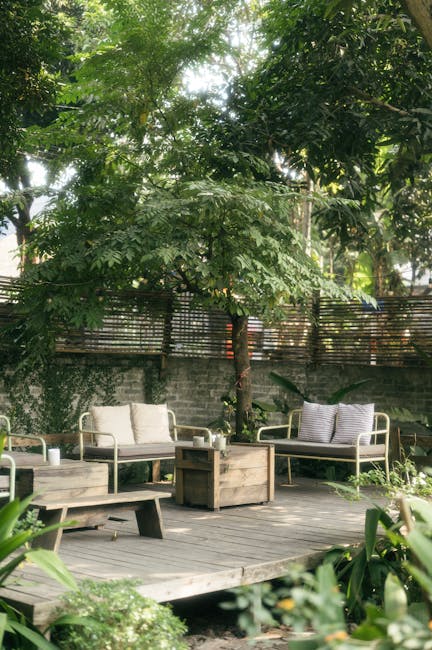
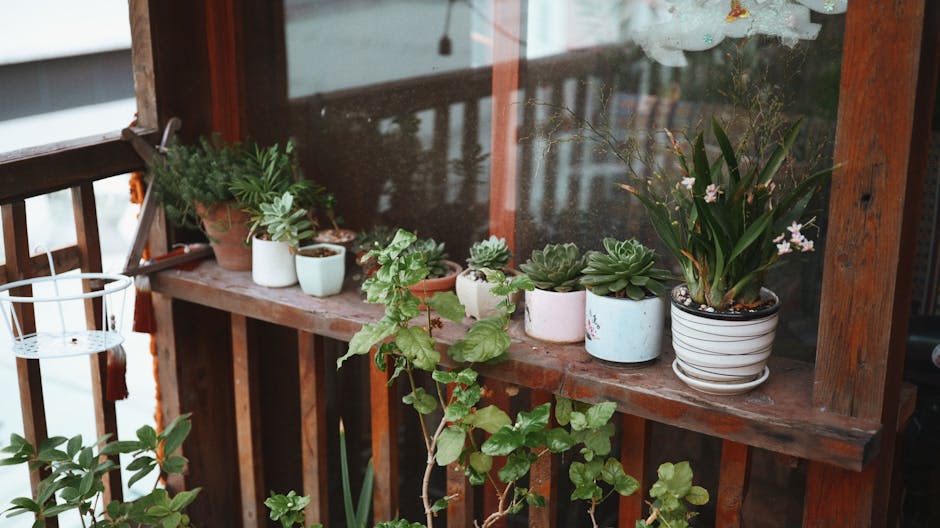
Wembley Park gardeners top tips for small terrace gardens
If you live in Wembley Park and your terrace garden feels more like a narrow afterthought than a proper outdoor space, you are not alone. Small London terraces can be tricky: one week they feel too shaded, the next they bake in the afternoon sun, and somehow there is never quite enough room for chairs, plants, and a bit of breathing space. The good news? With the right approach, even a compact terrace can feel calm, lush, and genuinely useful.
This guide brings together practical Wembley Park gardeners top tips for small terrace gardens, drawn from what works in real urban spaces: smart planting, layout choices that make the area feel bigger, and maintenance habits that save time rather than create more of it. Whether you want a leafy retreat, a tidy entertaining spot, or just a garden that looks cared for without becoming a second job, the ideas below will help. Truth be told, the best small gardens are usually the ones that have been thought through properly, not the ones packed with the most plants.
Along the way, we will also point you to useful local pages such as gardeners in Wembley Park, professional landscaping services, and ongoing garden maintenance if you decide your terrace needs a bit more than a weekend tidy-up. For many homeowners and tenants, that is exactly where things start to feel easier.
Table of Contents
- Why Wembley Park gardeners top tips for small terrace gardens Matters
- How Wembley Park gardeners top tips for small terrace gardens Works
- Key Benefits and Practical Advantages
- Who This Is For and When It Makes Sense
- Step-by-Step Guidance
- Expert Tips for Better Results
- Common Mistakes to Avoid
- Tools, Resources and Recommendations
- Law, Compliance, Standards, or Best Practice
- Options, Methods, or Comparison Table
- Case Study or Real-World Example
- Practical Checklist
- Conclusion
- Frequently Asked Questions
Why Wembley Park gardeners top tips for small terrace gardens Matters
Small terrace gardens in Wembley Park often have to do more than one job at once. They might be a seating area, a storage zone, a place for herbs, a bit of privacy, and a visual softener for hard paving and brickwork. That is a lot to ask from a tight footprint. Which is why the right gardening approach matters so much.
A terrace garden can quickly feel cramped if it is planted without a plan. Too many pots, the wrong soil, awkward furniture, or one oversized shrub can make the space feel smaller than it really is. On the other hand, a few well-chosen changes can open the whole area up. You do not need a full redesign to get there. You need clarity.
In Wembley Park, there is also the urban context to think about. Wind patterns between buildings, reflected heat from paving, shaded corners, and drainage that never quite behaves like you expect it to. Local gardeners who work with small terraces understand those little headaches. They know, for instance, that a plant that looks fine in a sheltered showroom garden may sulk badly once it is exposed to a corridor of wind between flats. That sort of detail is easy to miss, but it makes all the difference.
To be fair, small gardens are often easier to improve than large ones. Every change is visible. A better container, a more thoughtful layout, or a tidier edge can shift the whole mood of the space in an afternoon. That is why the best advice for terrace gardens is usually practical rather than flashy.
How Wembley Park gardeners top tips for small terrace gardens Works
At its core, successful small terrace gardening is about making the space feel balanced, useful, and easy to maintain. It works by combining three things: spatial planning, plant selection, and routine care.
Spatial planning means deciding where people will stand, sit, walk, and look. In a small garden, that sounds basic, but it is everything. A clear central area, or even just a clean line through the middle, can make the terrace feel much less crowded. Vertical elements like trellises, wall planters, and slim climbing supports help lift the eye upwards instead of forcing everything into floor space.
Plant selection is where many people either overdo it or play it too safe. The sweet spot is usually a mix of structure and softness. Structure comes from evergreen shrubs, grasses, small trees in containers, or neatly clipped forms. Softness comes from seasonal colour, trailing plants, and herbs that move a little in the breeze. It should feel alive, not crowded.
Routine care keeps the whole thing manageable. Small terrace gardens can dry out quickly, especially in summer. Pots need checking more often than borders. Fallen leaves can build up around seating areas. And because everything is close at hand, clutter shows fast. A little consistent maintenance goes a long way. If you would rather not spend every spare Saturday on it, a service like residential garden care can be a sensible option.
One simple way to think about it: a good terrace garden behaves like a well-edited room. Nothing extra is there by accident. Every piece earns its place.
Key Benefits and Practical Advantages
Getting the layout and planting right in a small terrace garden brings more than just nicer photos. There are real day-to-day benefits.
- It makes the space feel bigger. Clear lines, restrained planting, and vertical interest can create the impression of depth.
- It reduces maintenance pressure. Well-chosen plants and containers mean less time rescuing failing pots and more time enjoying the space.
- It improves privacy. Screening with climbers, slim hedging, or carefully placed pots can soften views from neighbouring properties.
- It adds year-round value. Evergreen structure ensures the terrace does not look empty in winter.
- It supports better microclimates. A thoughtful setup can shelter tender plants from wind and reduce heat stress from nearby walls and paving.
There is also a quieter benefit that people do not always mention. A well-planned terrace garden feels easier to use. You notice it when you step outside with a coffee on a mild morning, or when you come home after a long day and the space feels welcoming rather than messy. Small things, but they matter.
If you are comparing options for improving your outdoor area, it can help to look at broader garden design support as well as practical maintenance. Sometimes the best result comes from pairing a smart layout with light-touch ongoing care.
Who This Is For and When It Makes Sense
This approach is for anyone trying to make a modest outdoor space work harder. That includes homeowners, landlords improving a rental property, busy professionals who want low-maintenance greenery, and tenants who need container-friendly ideas that do not depend on digging up borders. It is also useful for people with north-facing or awkwardly shaped terraces, which, let's face it, is a lot of London.
It makes particular sense if:
- your terrace is long and narrow
- you have more paving than planting
- you want privacy without building a solid screen
- you need the garden to be family-friendly
- you have limited time for maintenance
- your current pots look fine individually but do not work as a whole
It may also suit you if you are preparing to sell or rent out a property. A tidy, well-balanced terrace tends to photograph better and give a stronger first impression. Not magic, just sensible presentation.
If the garden is very uneven, badly drained, or full of tired fixtures, the job may move beyond simple planting. In that case, an assessment from local gardening specialists can help you decide what is worth keeping and what needs reworking.
Step-by-Step Guidance
Here is a practical way to tackle a small terrace garden without making it feel like a massive project.
1. Clear the space and see what you are really working with
Remove clutter first. Old pots, broken saucers, unused plant supports, and random furniture can distort how the garden feels. Once the space is clear, you will see the actual shape, sunlight, and weak points much more clearly. This is often the moment when people realise the garden is not as tiny as they thought. It was just busy.
2. Measure the usable areas
Measure the width, length, and any awkward corners. Note where doors open, where people naturally walk, and where you want sitting space. In a terrace garden, a few centimetres matter more than people expect. A chair that fits on paper may feel clumsy in reality if it blocks circulation.
3. Decide on the main purpose
Ask yourself one honest question: what do you want the garden to do most? Relaxation? Dining? Privacy? Plant display? If you try to make it all things at once, it usually ends up feeling indecisive. A small garden needs a job title.
4. Build structure before adding detail
Start with the big shapes: containers, trellis panels, a bench, a feature pot, or a slim table. Then add smaller planting around them. This order matters. People often plant first and fit everything else in later, which is why the garden can end up looking pieced together rather than designed.
5. Choose a planting palette that suits the site
Match plants to light, shelter, and watering demands. A sunny south-facing terrace needs tougher, drought-tolerant planting choices. A shaded terrace may suit ferns, hellebores, heuchera, and soft-textured evergreens. Avoid mixing too many plant styles unless you have a clear design reason. A restrained palette almost always looks better in a small space.
6. Use height carefully
Vertical planting is one of the smartest tricks in compact gardens, but it must be handled with care. A single climber on a wall, or a pair of upright planters, can create lovely enclosure. Too much height, though, and the garden starts to feel boxed in. Balance is the point.
7. Layer the planting
Think in three layers: ground level, mid-level, and upper-level. Ground-level plants soften hard edges. Mid-level plants give fullness. Upper-level climbers and tall grasses add movement. This layered approach makes a terrace feel more mature and less like a row of separate pots. Small thing, big difference.
8. Test the watering and drainage
Before settling everything in place, make sure containers drain properly and water can be reached easily. If you are forever threading a hose through furniture, the setup will become annoying very quickly. Self-watering planters can be useful for some spaces, but they are not a shortcut for poor planting choices.
9. Finish with easy maintenance habits
Choose a maintenance rhythm you can actually keep. Deadhead, trim, feed, and water as needed, but keep it realistic. A small terrace garden should suit your life, not dominate it. If you want help keeping things in shape through the seasons, professional planting services can be a useful next step.
Expert Tips for Better Results
These are the kind of details that often separate an average terrace garden from one that feels quietly polished.
Use repetition to calm the space
Repeating the same container material, flower colour, or foliage type helps the eye move through the garden without jumping around. Three terracotta pots, for example, can look more cohesive than six unrelated ones. Not every plant needs to shout.
Prefer a few large pots over many tiny ones
Small pots dry out quickly and often look cluttered. Larger pots hold moisture better and create a stronger visual anchor. In a compact terrace, that sense of grounding matters. One good planter can do more work than a pile of little ones, and cleaning around it is easier too.
Choose plants with more than one season of interest
Look for foliage, form, bark, flowers, and seed heads rather than relying on one brief flowering moment. That way the terrace keeps its shape through the year. A winter garden with structure is far more satisfying than one that disappears completely after September.
Make room for negative space
Negative space simply means empty space, and it is not a waste. It is what lets the planting breathe. In a small garden, leaving some paving visible can make the whole area seem more deliberate and less jammed full. A little restraint goes a long way.
Hide the practical bits neatly
Compost bags, tools, watering cans, and spare pots should have a proper home. A slim storage bench, recessed cupboard, or hidden corner keeps the terrace tidy. If the practical clutter is visible, the whole garden feels busier. That is just how our eyes work.
Use scent near seating areas
Lavender, thyme, jasmine, and scented pelargoniums can make the space feel more immersive when you sit down. On a warm evening, that first waft of scent can change the mood completely. It is a subtle thing, but a good one.
Common Mistakes to Avoid
Small terrace gardens have a few classic traps. The good news is that most of them are easy to avoid once you know what to look for.
- Overcrowding the space. Too many pots and accessories make the terrace feel cramped, even if each item is attractive on its own.
- Ignoring sunlight and shade. A plant that loves full sun will struggle in a shaded corner, and vice versa.
- Choosing plants for a showroom effect only. Some plants look lovely in a nursery but are awkward in real terrace conditions.
- Forgetting winter structure. If everything is seasonal and soft, the garden can look bare for months.
- Using pots that are too small. Tiny containers dry out fast and limit root growth.
- Letting the layout block movement. If you have to shuffle sideways to reach the door, the design has missed the point.
- Neglecting maintenance access. If you cannot reach a plant easily, you probably will not look after it properly.
One more thing people often miss: avoid making every corner "special." A small garden needs one or two focal points, not five competing ideas. Otherwise it starts to feel like a shop display. Pretty, maybe, but not restful.
Tools, Resources and Recommendations
You do not need a huge toolkit to manage a terrace garden well. In fact, a small, reliable kit is usually better than a shed full of gadgets you rarely use.
| Tool or Resource | Why it helps | Best use in a small terrace |
|---|---|---|
| Hand trowel and hand fork | Simple planting and pot care | Repotting, top dressing, and small repairs |
| Watering can with a fine rose | Gentle watering without disturbing soil | Containers, seedlings, and delicate plants |
| Bypass secateurs | Cleaner cuts for pruning and deadheading | Keeping climbers and shrubs tidy |
| Moisture-retentive compost | Helps pots stay hydrated longer | Sunny terraces and busy households |
| Plant supports or slim trellis | Adds height without using floor space | Privacy, climbing plants, and green walls |
| Mulch or decorative top dressing | Reduces evaporation and looks tidy | Finishing container displays neatly |
For more involved improvements, especially if you want a stronger layout or a planting scheme tailored to your light levels, look at garden services in your area. It is often more cost-effective than piecing together several small fixes over time.
You may also find it useful to keep a simple seasonal plan. Spring for planting, summer for watering and trimming, autumn for tidying and rebalancing, winter for structure checks and pruning where appropriate. Nothing fancy. Just a rhythm that works.
Law, Compliance, Standards, or Best Practice
For most small terrace gardens, there is no special legal hurdle just because the space is compact. Still, there are a few best-practice points worth keeping in mind, especially in London.
If you live in a flat, leasehold property, or shared development, check your lease or building rules before making major changes. That is especially true if you want to fix structures to walls, install heavy screening, or alter anything that could affect drainage, boundaries, or communal access. It sounds dull, but it saves headaches later.
Also be considerate with boundary planting. Tall climbers and screens can be brilliant for privacy, but they should not create problems for neighbours or block shared light in a way that becomes contentious. A little planning upfront keeps things civil. London terraces are close-knit by nature, after all.
When using tools, fertilisers, or pressure washers, follow the manufacturer's instructions and basic safety guidance. Keep products stored securely and away from children or pets. If you are unsure whether a plant or treatment is suitable for your setting, ask a professional before using it broadly.
For structural work, raised planters, fixed trellis, or bespoke garden elements, it is wise to check that materials are suitable for outdoor use and that any work will not damage the surface beneath. Best practice is simple: protect the property, protect the planting, and avoid shortcuts that look neat for a month but fail by autumn.
Options, Methods, or Comparison Table
If you are deciding how to improve a small terrace, the main options usually fall into a few broad approaches. Each has its place.
| Approach | Best for | Pros | Trade-offs |
|---|---|---|---|
| Container-led design | Renters, flexible layouts, quick upgrades | Portable, easy to adjust, low disruption | Needs regular watering and can look cluttered if overdone |
| Built-in planting and planters | Permanent homes, stronger design finish | Clean appearance, better structure, cohesive look | Less flexible and usually more involved to install |
| Vertical planting focus | Very narrow spaces or overlooked terraces | Saves floor space, boosts privacy, adds height | May need more support and careful watering |
| Low-maintenance planting scheme | Busy households, second homes, practical users | Less upkeep, more predictable, easier to manage | Can feel less lush if not designed thoughtfully |
In most Wembley Park terrace gardens, a blended approach works best. A few strong containers, one or two vertical features, and a low-maintenance planting palette usually gives the most balance. If you go too hard in one direction, the space can become either plain or fussy. Neither is ideal.
Case Study or Real-World Example
Picture a typical narrow terrace near Wembley Park: a paved rectangle, a back wall, one sunny side, one shaded side, and a pair of mismatched pots that have seen better days. The owners want the space to feel greener and more private without turning it into a full landscaping project.
The first step is usually clearing the old clutter and keeping only what is useful. Then the garden gets divided into simple zones: a small sitting area near the door, a planting strip along the sunnier edge, and a vertical feature on the back wall for height. A climber is trained upward, a couple of medium-sized pots anchor the corners, and evergreen structure is added so the space does not disappear in winter.
What changes most is not just the planting, but the feeling of the space. The terrace begins to look longer because the eye has somewhere to travel. The seating area feels intentional rather than squeezed in. A bit of scent drifts up from the herbs when the door opens. Nothing dramatic. Just better.
That is the real point of good terrace gardening in Wembley Park: not making a tiny space pretend to be bigger than it is, but making it work beautifully within its own limits.
Practical Checklist
Use this checklist before you start, or as a quick review if your terrace already exists but does not quite feel right.
- Measure the terrace and note where people naturally move
- Identify sunny, shaded, windy, and sheltered spots
- Decide the garden's main purpose: seating, privacy, planting, or a mix
- Remove clutter and old, unused containers
- Choose a simple planting palette with repeating colours or textures
- Use a mix of structure, softness, and seasonal interest
- Prefer larger pots where possible
- Include at least one vertical feature to save floor space
- Check drainage and watering access
- Leave some empty space so the terrace can breathe
- Make storage for tools, compost, and spare items
- Plan for winter interest, not just summer colour
- Set a maintenance routine you can realistically keep
- Review lease or property rules before structural changes
If you can tick most of those off, you are already in a strong place. The rest is refinement, and that tends to come naturally once the basics are right.
Get a free quote today and see how much you can save.
Conclusion
The best Wembley Park gardeners top tips for small terrace gardens are rarely dramatic. They are calm, practical, and rooted in how real people actually live. A small terrace needs structure, a sensible planting plan, and enough breathing room to feel inviting. Get those three things right and the space starts working for you, not against you.
If you are just starting out, begin with layout and light. If your terrace already has some good bones, refine the planting and simplify the clutter. If you do not have the time to maintain it properly, bring in support before the space slips into frustration. There is no prize for doing everything the hard way.
And honestly, that is the lovely thing about small gardens: when they are done well, you feel every improvement straight away. A little more shade, a little more scent, a little more order. Enough, in the best possible way.
Frequently Asked Questions
What are the best plants for a small terrace garden in Wembley Park?
Good choices usually depend on light and shelter, but compact evergreen shrubs, grasses, herbs, climbers, and container-friendly perennials are often strong options. Look for plants that stay tidy, cope well in pots, and give interest across more than one season.
How do I make a small terrace garden look bigger?
Use a clear layout, limit clutter, repeat materials, and add vertical planting. Keeping some paving visible helps too. A small garden looks larger when the eye can move through it without interruption.
Are raised planters a good idea for small terrace gardens?
Yes, if they are sized properly and do not block movement. Raised planters can add height, improve drainage, and help define the space. Just avoid making them so bulky that they eat up the whole terrace.
How often should I water terrace plants in summer?
Often more than people expect. Pots dry out quickly, especially during warm spells or windy weather. Check them regularly rather than sticking to a fixed schedule, because weather can change fast in London.
What is the easiest way to add privacy to a terrace garden?
Climbers on trellis, tall container planting, and slim screening elements are usually the most flexible options. They soften views without making the garden feel enclosed. That balance matters in small spaces.
Can I have a low-maintenance terrace garden that still looks good?
Absolutely. The key is choosing the right plant palette, using larger containers, and reducing the number of separate features. Low-maintenance does not have to mean boring. It just means better edited.
Do I need professional help for a small terrace garden?
Not always. Simple container styling and planting can be a good DIY project. But if the space feels awkward, overgrown, or difficult to maintain, professional help can save time and prevent expensive mistakes.
What should I avoid putting in a small terrace garden?
Avoid oversized furniture, too many tiny pots, plants that outgrow the space quickly, and decorative items that have no real purpose. In a compact garden, every item needs to earn its place.
How do I choose between a planting scheme and a full garden redesign?
If the basic layout works and you mainly want a fresher, greener feel, a planting scheme may be enough. If movement is awkward, the area is poorly zoned, or the terrace feels unusable, a redesign is often the better investment.
What is the best first step if my terrace garden is a mess?
Clear it. Seriously, start by removing clutter and dead plants so you can see the space properly. Once the terrace is stripped back, it becomes much easier to decide what should stay and what needs changing.
Are there any rules I should check before changing my terrace garden?
If you are in a leasehold property or shared development, check your lease, building rules, or management guidance before making structural changes. It is also wise to consider drainage, boundaries, and neighbour impact before adding fixed features.
How can I get started without spending too much?
Begin with a tidy-up, a few quality pots, and a small number of well-chosen plants rather than trying to fill the whole space at once. A measured approach usually gives a better result and makes it easier to refine later.
What makes a terrace garden feel properly finished?
Usually it is the details: consistent containers, balanced planting, tidy edges, and enough empty space to let the design breathe. When the practical side is under control, the garden starts to feel calm rather than crowded.